
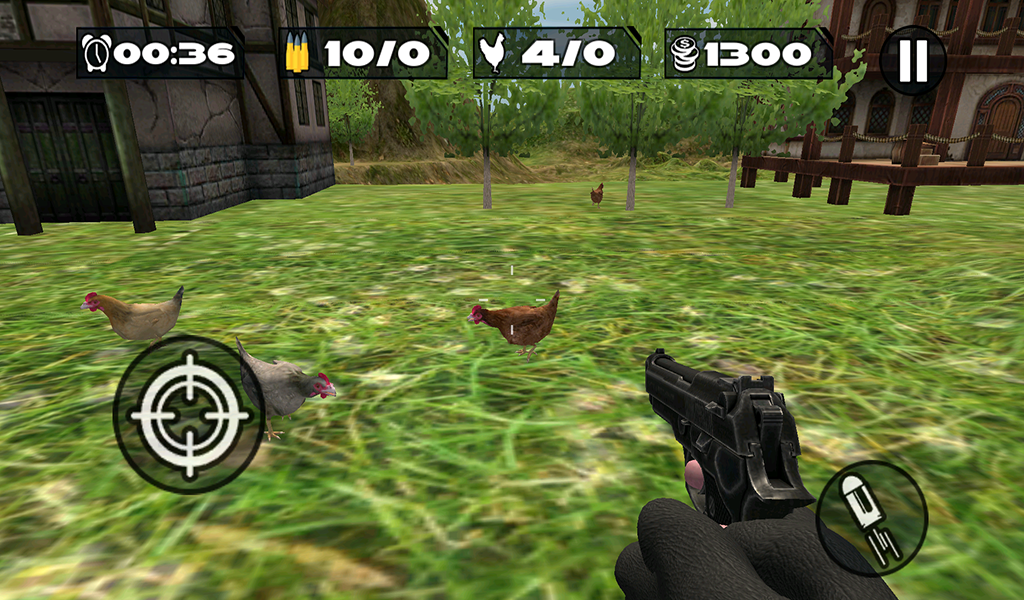
Excellent games feel personal chickenshootscasino.com. For Chicken Shoot Game players, the real fun starts when you tweak the settings to match your style. This guide takes you through every part of the settings menu. We’ll explain you how to adjust your game for improved performance, better visuals, and controls that simply feel right.
Improving Graphics for Performance and Clarity
Your visual settings control how good the game appears and how well it performs. You want a compromise. Flashy effects are appealing, but they can strain your device, tablet, or computer too far. A useful rule is to pick a moderate preset to start, then adjust from there.
You’ll typically see a handful main graphics options: Texture Quality, Shadow Quality, Particle Effects, and Render Resolution. Each one alters the look and the strain on your device. Understanding what they do allows you make smart choices.
- Texture Quality: This controls the detail on items like feathers and fences. Increased quality requires more from your device’s graphics memory.
- Shadow Quality: This changes how accurate shadows render. It’s a frequent setting to decrease if your game is chugging.
- Particle Effects: This manages the spectacular stuff like explosions and gunfire sparks. Bringing it down can help during intense fights.
- Render Resolution: This is a major one. Lowering it can make the game run significantly faster on less powerful hardware, though the picture gets a bit less sharp.
Notice stutters or lag when things get intense? Try lowering one or two of the settings listed. A steady frame rate typically is better than having every visual detail maxed out. Be mindful with options like V-Sync, as they can occasionally make your controls feel sluggish.
Configuring Controls for Peak Precision
In a rapid shooter, how your controls respond is key. This menu is where you stop just playing and truly excel. You can modify sensitivity, button layout, and how you enter commands to match how you play.
- Start with look sensitivity. Pick a medium setting and try it. If you fly past your target, reduce it. If turning is sluggish, bump it up bit by bit.
- Look for options that change actions from a hold to a toggle, like aiming down sights. Choose what works best and keeps your fingers fresh.
- If the game allows button customization, do it. Place the fire and jump buttons where your thumbs are most comfortable. This small change can shave precious milliseconds off your reactions.
The perfect setup is unique to you. What works for a friend might not suit you. Take time to test in a practice area. Many skilled players use a lower sensitivity for precise aim but a higher acceleration setting for whipping around.
On a touchscreen, you can often adjust button size and transparency. Making your main action buttons a little bigger and see-through can help you press them consistently without them covering the action. These tiny tweaks add up to controls that feel like they read your mind.
Adjusting Gameplay and Inclusive Preferences
Aside from the basics, other settings fine-tune how the game feels. These options can reduce annoyance, assist with learning, and make accessible the game to more people. Search for gameplay assists, interface changes, and accessibility features.
Standard gameplay settings include auto-sprint, how strong the controller vibrates, and what your crosshair looks like. Feel free to turn on an aim assist if it makes the game more fun for you. Your comfort is what matters, not some imaginary rulebook.
Accessibility features are now a big part of games. Find a colorblind mode that changes the colors of friend or foe markers. Options for subtitles, bigger text, and turning off motion blur can make longer play sessions easier on your eyes and brain.
Take a tour through these menus. You can often reposition the mini-map or hide obtrusive mission markers. Cleaning up your screen gives you a clearer view of the action, which means you can react faster and get more immersed in the game.
Navigating the Core Settings Menu
Your journey begins with the settings hub. Check for a gear icon on the main screen or pause menu. This is your control center. Everything from graphics and sound to how you operate the game is found here, arranged to be straightforward and quick to use.
Spend a few minutes in this menu before you truly dive into playing. Understanding where things are will let you make fast changes later without breaking your rhythm. Options are usually sorted into clear sections. Scroll through them all once to discover what you can change.
Struggling to find a specific setting? Many games now have a search box within the menu. Try typing “sensitivity” or “brightness” to go right to it. This tip keeps you out of the weeds and gets you back to shooting chickens faster.
Network and Link Settings for Smooth Play
For online multiplayer, a reliable connection is non-negotiable. You can’t control your internet provider, but some in-game settings can assist. Locate the network or connectivity tab to give yourself a more dependable experience.
You need to look for three things here: Region/Server Selection, Data Usage options, and Connection Indicators. Picking a server close to you, like one in Toronto or Vancouver, cuts down on delay. This guarantees your shots register as fast as possible.
- Region/Server Selection: Select a server in Canada manually. This lowers your ping and cuts lag.
- Data Usage: On a mobile data plan? Some games let you limit data for updates or background activity.
- Connection Indicators: Enable the display for ping or packet loss. It helps you see network trouble right away, so you recognize if the problem is your internet.
Dealing with constant lag? Verify if someone else at home is streaming a movie or downloading a huge file. If you can, plug your computer or console directly into the router with a cable. Wi-Fi is convenient, but a wired connection is steadier. Mobile players should find a strong 5G or LTE signal over a crowded public Wi-Fi hotspot.
Fine-Tuning Audio for Engaging Gameplay
Audio is more than mere background. In Chicken Shoot Game, audio gives you clues. It indicates where a shot came from or confirms a hit with a pleasing cluck. The audio menu enables you to adjust these sounds to match your room and your ears.
You’ll see separate sliders for master volume, sound effects, and background music. Experiment with turning the music down a notch so you can pick up important game sounds clearly during a scramble. If the game has spatial audio, enable it. It can help you locate targets just by listening.
Gaming with headphones? Check for a headphone-specific audio mode. These settings are calibrated to give you a more accurate sense of direction, so you can determine exactly where that chicken is running from. In competitive play, that’s a real edge.
If you use voice chat, don’t skip the microphone settings. Tweak your input volume and enable noise suppression. Your teammates will appreciate it for clean callouts without the sound of your dog barking in the background.
Storing, Managing, and Advanced Profile Methods
After you have created your perfect setup, don’t lose it. Games usually save settings by default, but it’s wise to look for an “Apply” or “Save Changes” button prior to leaving. Some games allow you to make several different profiles for various situations.
Managing these profiles is simple. You are able to rename them, erase them, or return to them from the settings screen. If you want a fresh start, you will see a “Reset to Default” option. Apply this carefully, as it erases all your custom tweaks.
If you are an active player, think about creating particular profiles for various needs. This means you are always prepared with the proper setup, whether you are chilling or starting a ranked match.
Here are a handful of profile ideas you can test. A Competitive profile turns graphics down for maximum performance and gets rid of visual clutter. A Cinematic profile maximizes the visuals for solo play. A Battery-Saver profile lessens the load on your phone for extended play. Changing between these pre-configured setups needs just a couple of clicks.
For the very methodical, check if your game or platform allows you to store settings to the cloud or a local file. This preserves your work from being lost by a game update or a new device. Spending this effort a single time means every time you start Chicken Shoot Game, it feels exactly the way you like it.