

Comprehensive Guide to Forex CFD Trading
Forex CFD trading, a popular method for speculating on currency movements, offers traders unique opportunities for profit. Additionally, those looking to expand their trading horizons can consider resources like forex cfd trading Vietnam Brokers for local insights and support.
What is Forex CFD Trading?
Forex (foreign exchange) trading involves the buying and selling of currencies in a decentralized market. CFDs (Contracts for Difference) allow traders to speculate on price movements without owning the underlying asset. In essence, when you trade Forex CFDs, you are entering into contracts based on the value of currency pairs, such as EUR/USD or GBP/JPY.
The Mechanics of Forex CFD Trading
In Forex CFD trading, you utilize leverage, which means you can open larger positions than your initial capital allows. This is both an advantage and a risk, as leverage can amplify profits but also increase potential losses.
When you trade a CFD, you are not purchasing the asset itself; rather, you are betting on the price movement. If you believe a currency pair will rise, you buy (go long). If you anticipate a decline, you sell (go short). The difference between the opening and closing prices determines your profit or loss.
Key Components of Forex CFD Trading
Leverage
Leverage is a double-edged sword in Forex CFD trading. It allows you to control a larger position with a smaller amount of capital. For example, with a leverage ratio of 100:1, you can control $10,000 with just $100. However, while leverage can enhance profits, it can also lead to substantial losses, and it’s crucial to manage it wisely.

Spread
The spread refers to the difference between the buy (ask) and sell (bid) prices of a currency pair. In Forex CFD trading, this spread is a cost you incur while trading. Spreads can vary depending on market conditions and can be fixed or variable, influencing trading strategies and potential profitability.
Margin
Margin is the amount of money required to open and maintain a leveraged position. In Forex CFD trading, the margin requirement means that you only need to deposit a fraction of the total value of the trade. This concept is closely related to leverage, and traders must be aware of margin calls, which occur when account equity falls below the required margin level.
Strategies for Successful Forex CFD Trading
Technical Analysis
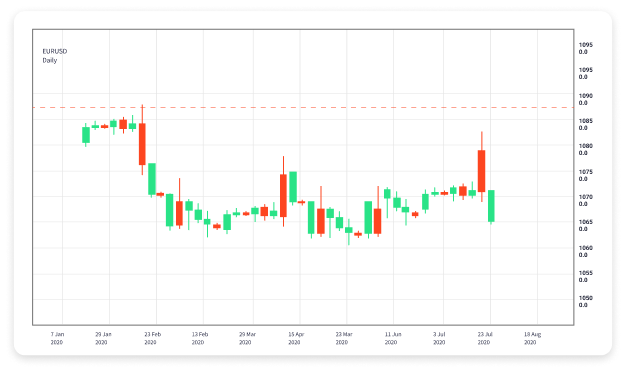
Technical analysis involves studying historical price data to identify patterns and trends. Traders utilize various charting tools and indicators to make informed decisions. Common indicators used include moving averages, RSI (Relative Strength Index), and Fibonacci retracements. Understanding technical analysis is vital for timely entry and exit points in Forex CFD trades.
Fundamental Analysis
While technical analysis focuses on price charts, fundamental analysis examines economic indicators and news events that may impact currency values. Key indicators include GDP growth, employment figures, interest rates, and geopolitical stability. Staying updated on global economic news is essential for traders looking to anticipate market movements.
Risk Management
Effective risk management is crucial in Forex CFD trading. This includes setting stop-loss orders to minimize potential losses and defining a risk/reward ratio for each trade. Diversifying trading instruments and position sizing are additional methods to mitigate risk. Traders should never risk more than they can afford to lose, ensuring that their trading strategy aligns with their risk tolerance.
Choosing a Forex CFD Broker
Choosing the right broker is a critical step in successful Forex CFD trading. Here are some factors to consider when selecting a broker:
- Regulation: Ensure the broker is regulated by a reputable authority to protect your funds.
- Trading Platform: The trading platform should be user-friendly, with reliable execution speed and accessibility on various devices.
- Account Types: Look for brokers that offer several account types to cater to different trading styles and capital requirements.
- Fees and Spreads: Compare spreads, commissions, and other fees associated with trading.
- Customer Support: Accessible and responsive customer service can help resolve issues quickly.
Common Mistakes to Avoid in Forex CFD Trading
New traders often fall into common traps that can be avoided with proper education and awareness. Some of the most prevalent mistakes include:
- Overleveraging: Using excessive leverage can lead to significant losses.
- Lack of a Trading Plan: Trading without a structured plan can result in emotional decision-making.
- Ignoring Risk Management: Poor risk management can quickly deplete trading capital.
- Chasing Losses: Attempting to recover losses by overtrading can exacerbate the situation.
Conclusion
Forex CFD trading offers a dynamic and potentially lucrative avenue for investors looking to capitalize on currency fluctuations. By understanding the fundamentals, employing effective strategies, and choosing the right broker, traders can navigate the Forex market with greater confidence. As with any form of trading, education and continued practice are essential for success in this exciting domain.
Whether you are an experienced trader or just starting, thorough research and a disciplined approach will invariably yield better outcomes. The Forex market is ever-changing, so staying informed and adaptable is key to maintaining a competitive edge.